By Ravina Turner, Michigan Care Worker
My life changed forever two decades ago when my daughter Davina was diagnosed with two life-changing illnesses. She was just seven years old, and we struggled to find the care Davina needed to live the active, healthy life all kids deserve. After years of temporary solutions, I ultimately left my job to become her full-time caregiver. I couldn't keep taking time off to provide care or stay with her in the hospital for days — sometimes weeks — at a time.
I can’t call the companies I pay my bills to and explain why I can’t pay that month, or ask for forgiveness due to my circumstances, so I had to make the tough decision to leave my job. Life still goes on despite having a family member in need of care.
Being my daughter’s caregiver comes with countless challenges, many of which go unseen by those outside our home. My daughter has an invisible illness, and that's what makes things so hard sometimes. Despite being an independent young woman and a mother herself, Davina’s symptoms can be so debilitating that she cannot leave her bed. I have to fight harder for my daughter because on good days, everyone just assumes she's fine. I remember feeling so lost at times, like I was her only advocate. I was fighting these battles alone, without support or understanding … or time to breathe.
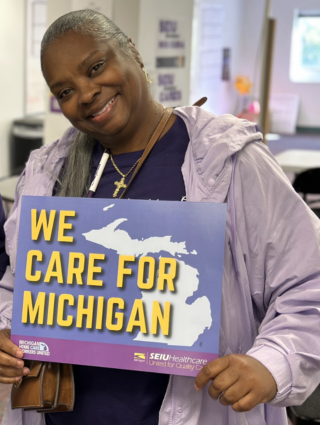
But when SEIU showed up on my doorstep, it was eye-opening. I didn’t know there were other caregivers like me in Michigan. Most of all, I didn’t realize the influence we could have by coming together in a union. Together, uniting on one accord, we can make a difference in the care system we all work in. In just 18 months, Michigan home care workers helped pass legislation to restore their right to a union. Then, we filed for a union election. And in October 2025, we won our union!
This victory reaffirmed that every one of our voices has power. Now, we can bargain to win higher wages, healthcare, training, retirement, and more. We can come together to fight for our families and demand real change in our communities. It was an obvious choice for me to join with them and fight for these things and more.
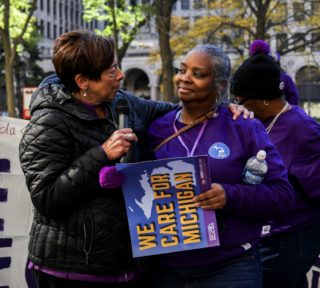
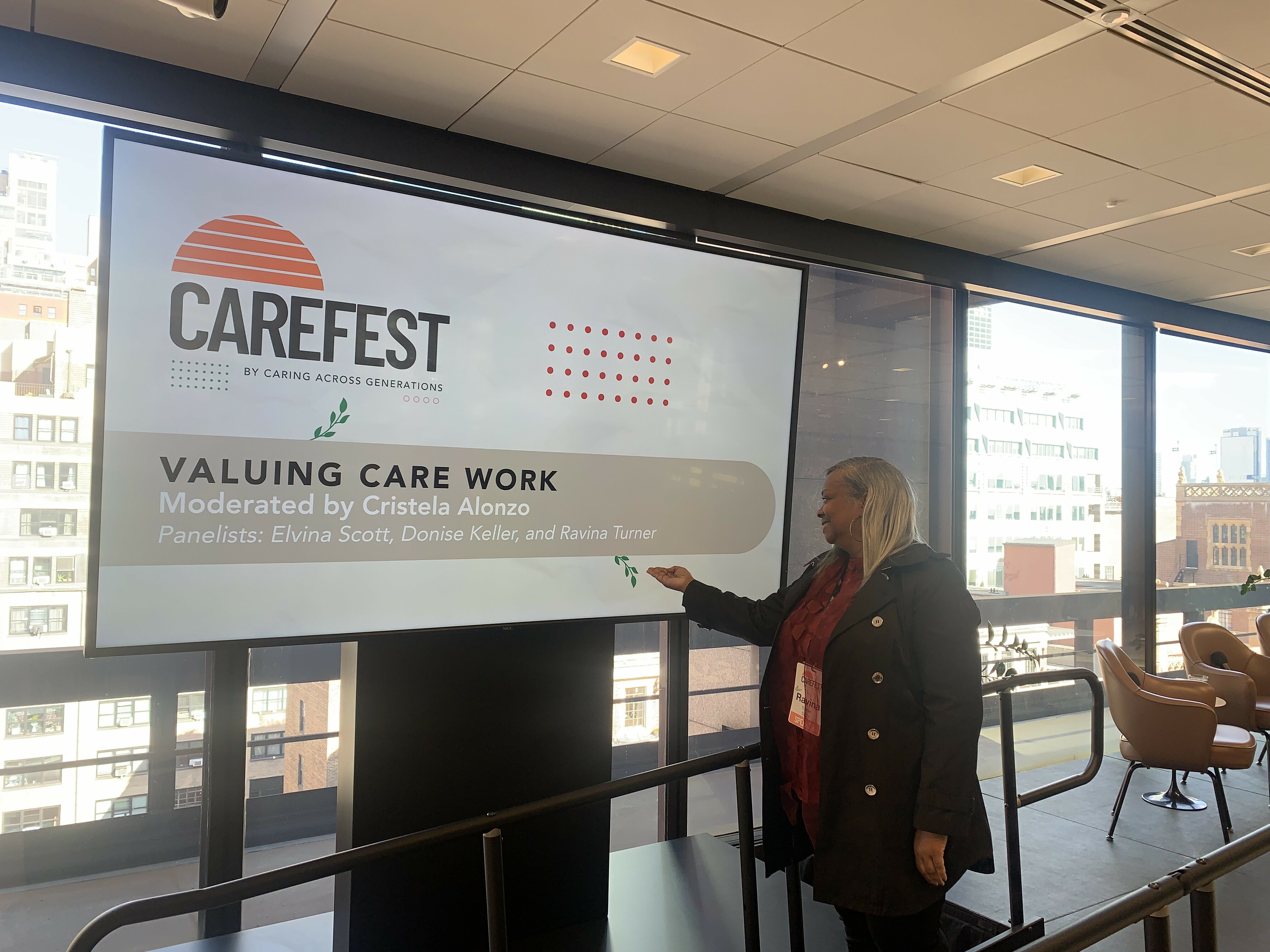
Last month, I traveled to New York for Caring Across Generations' CareFest to discuss the future of care and the care solutions our families and communities need at this moment. Although care work is the backbone of our communities and economy, it remains undervalued, with many who provide essential care earning poverty wages, lacking benefits, and facing burnout.
At CareFest, I outlined some important ways a more holistic approach to the care system could look for caregivers, including allowing us to care for ourselves when times get tough, ensuring consistent and reliable pay, and developing partnerships in our communities. In Michigan, this would look like care workers still getting paid even if our client isn't in our immediate care each day. The combination of the intensity of our work, and national efforts to roll back labor rights, makes this extremely challenging.
In addition, banding together makes it easier for caregivers to advocate for ourselves and our families, fight for what’s right, and win what we’re owed. Because when caregivers are supported, we can provide better care to our clients and loved ones. This is what makes our union so powerful — our strength as a collective helps us win meaningful change time and time again.
Valuing caregivers means recognizing the important work we do and the burdens we face, even if you don’t fully understand our situation. Just because you can’t see a person’s illness or a caregiver’s burnout doesn’t mean it isn't real. Being a mother is one thing, and being your child’s caregiver is another. And for the many who live at the intersection of both, giving a full life to those who need help is a choice we willingly, bravely choose each day.